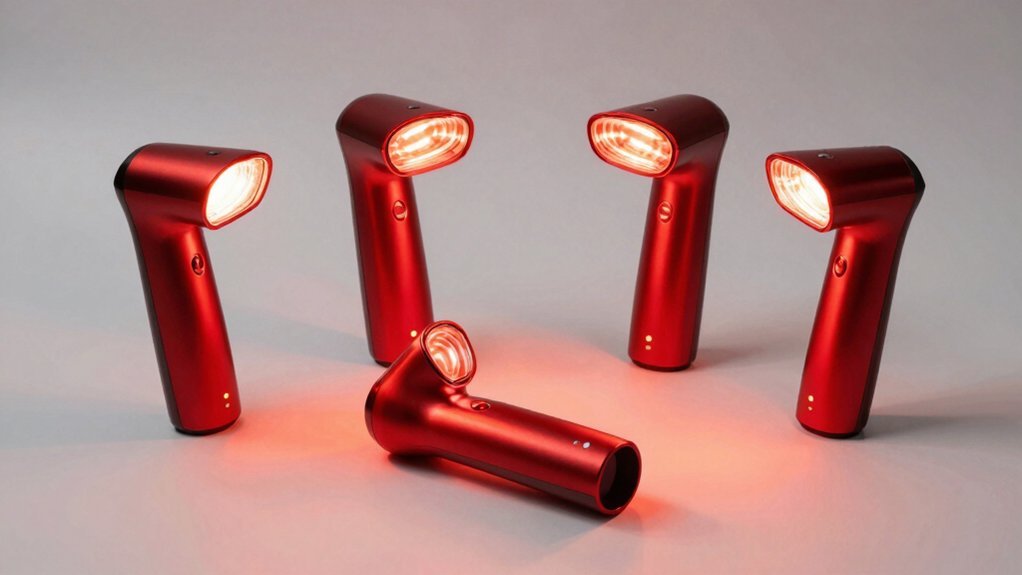
You’re dealing with chronic pain, and you’ve heard red light therapy might help. But you’re overwhelmed by options. Which device actually works for your needs? Should you prioritize wavelength variety or portability? We’ll walk you through the top five handheld devices that balance power with convenience, so you can make an informed choice.
| Lifepro Red Light Therapy Device for Body & Face |  | Best for Portability | Light Wavelengths: Red light, near-infrared light (2 wavelengths) | Primary Use Cases: Overall comfort, muscles, joints, relaxation | Portability: Lightweight with wrist strap and zippered case | CHECK ON AMAZON | Read Our Analysis |
| Lifepro Infrared Red Light Therapy Device for Body | Best for Versatility | Light Wavelengths: 650nm and 670nm red light, two near-infrared frequencies (3+ wavelengths) | Primary Use Cases: Full-body therapy, post-activity recovery, pet care | Portability: Portable, compact design | CHECK ON AMAZON | Read Our Analysis | |
| Red Light Therapy Wand for Pain Relief |  | Best for Targeted Relief | Light Wavelengths: Red light, infrared light (2+ wavelengths) | Primary Use Cases: Pain relief, muscle soreness, joint stiffness, post-workout recovery | Portability: Handheld, portable, lightweight | CHECK ON AMAZON | Read Our Analysis |
| Infrared Red Light Therapy Handheld Wand for Pain Relief | Best Overall | Light Wavelengths: Red light, infrared light (tri-wavelength) | Primary Use Cases: Joint and muscle pain, tissue repair, inflammation reduction | Portability: Portable, wireless design | CHECK ON AMAZON | Read Our Analysis | |
| M Pain Management Red Light Therapy Heating Wand | 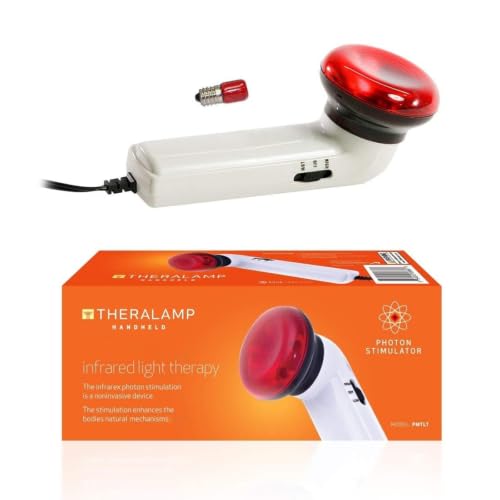 | Best with Heat Technology | Light Wavelengths: Red light, infrared light (2 wavelengths) | Primary Use Cases: Exercise soreness, joint pain, muscle pain, stiffness relief | Portability: Handheld with 6 ft cord | CHECK ON AMAZON | Read Our Analysis |
More Details on Our Top Picks
Lifepro Red Light Therapy Device for Body & Face
If you’re looking for a portable solution that doesn’t compromise on effectiveness, the LifePro LumiCure is your answer. This handheld infrared red light therapy lamp harnesses three powerful wavelengths to target muscles and joints, promoting relaxation and comfort. You’ll appreciate its lightweight design and included wrist strap, making it perfect for on-the-go wellness. The zippered carrying case keeps everything organized, while the intuitive touch button guarantees effortless operation. Whether you’re integrating red light therapy into your daily routine or gifting it to someone special, this device enhances your wellness journey without requiring a significant lifestyle adjustment.
- Light Wavelengths:Red light, near-infrared light (2 wavelengths)
- Primary Use Cases:Overall comfort, muscles, joints, relaxation
- Portability:Lightweight with wrist strap and zippered case
- Device Design:Lamp with touch button
- Target Audiences:Women and men, general wellness
- Health Benefits:Muscle and joint support, relaxation, balance and energy
- Additional Feature:Included wrist strap attachment
- Additional Feature:Zippered carrying case included
- Additional Feature:Touch button operation
Lifepro Infrared Red Light Therapy Device for Body
The LifePro BioLux stands out as an excellent choice for anyone seeking portable red light therapy without sacrificing effectiveness. This compact device delivers triple LED wavelengths at 650nm and 670nm red light, plus two near infrared frequencies, creating an extensive spectrum for various therapeutic needs. You’ll appreciate its versatility—use it on your body, face, or even your pets. The portable design makes it ideal for home or on-the-go treatment after physical activity. Whether you’re recovering from exercise or supporting daily wellness, the BioLux improves your overall quality of life with convenient, targeted light therapy.
- Light Wavelengths:650nm and 670nm red light, two near-infrared frequencies (3+ wavelengths)
- Primary Use Cases:Full-body therapy, post-activity recovery, pet care
- Portability:Portable, compact design
- Device Design:Compact portable device
- Target Audiences:Humans and pets
- Health Benefits:Full-body wellness, post-activity support, pet quality of life
- Additional Feature:Pet-friendly therapy capability
- Additional Feature:Triple LED wavelength technology
- Additional Feature:Dual near-infrared frequencies
Red Light Therapy Wand for Pain Relief
A Red Light Therapy Wand delivers targeted pain relief where you need it most, making it the ideal choice for anyone managing muscle soreness, joint stiffness, or post-workout recovery. This handheld portable device combines red and infrared light therapy to address both surface-level comfort and deeper tissue relief. Its flashlight-style design keeps you mobile—perfect for treating shoulders, knees, back, arms, and legs throughout your day. You’ll appreciate the simplicity: no complicated setup, just easy operation whenever you need it. As a non-invasive, drug-free device, it’s safe for daily use within your wellness routine, whether at home or traveling.
- Light Wavelengths:Red light, infrared light (2+ wavelengths)
- Primary Use Cases:Pain relief, muscle soreness, joint stiffness, post-workout recovery
- Portability:Handheld, portable, lightweight
- Device Design:Flashlight-style handheld wand
- Target Audiences:General daily wellness users
- Health Benefits:Pain relief, muscle and joint comfort, non-invasive wellness
- Additional Feature:Flashlight-style handheld design
- Additional Feature:Five wavelength modalities
- Additional Feature:Drug-free non-invasive therapy
Infrared Red Light Therapy Handheld Wand for Pain Relief
Whether you’re an athlete recovering from intense training, an office worker managing chronic tension, or someone seeking accessible pain relief at home, you’ll find that infrared red light therapy handheld wands deliver targeted, multi-wavelength treatment right where you need it. These portable devices combine red light and infrared wavelengths to penetrate muscles and joints, promoting collagen synthesis and microvascular regeneration. You’ll experience accelerated recovery, reduced inflammation, and faster pain relief at the source. The lightweight, wireless design makes it ideal for on-the-go therapy, while gift-box packaging transforms it into a thoughtful present for loved ones seeking wellness solutions.
- Light Wavelengths:Red light, infrared light (tri-wavelength)
- Primary Use Cases:Joint and muscle pain, tissue repair, inflammation reduction
- Portability:Portable, wireless design
- Device Design:Handheld wand with gift-box packaging
- Target Audiences:Elderly, athletes, bodybuilders, office workers, pets
- Health Benefits:Pain relief, faster recovery, collagen synthesis, skin health
- Additional Feature:Promotes collagen synthesis
- Additional Feature:Gift-box packaging included
- Additional Feature:Tri-wavelength simultaneous operation
M Pain Management Red Light Therapy Heating Wand
If you’re looking for professional-quality pain relief without leaving home, this handheld infrared heating wand delivers the same near-infrared light technology that doctors and physical therapists use in their clinics. The wand penetrates your skin to soothe joint pain, muscle soreness, and stiffness while its gentle heat increases circulation to speed recovery. You’ll appreciate the angled head design and 6-foot cord that let you easily target multiple areas—elbows, knees, shoulders, backs, and hands. Since red light mimics natural sunlight without harmful UVA/UVB emissions, you’re getting safe, localized support with minimal side effects. Athletes and those recovering from exercise-related soreness find it invaluable for getting back to work quickly.
- Light Wavelengths:Red light, infrared light (2 wavelengths)
- Primary Use Cases:Exercise soreness, joint pain, muscle pain, stiffness relief
- Portability:Handheld with 6 ft cord
- Device Design:Handheld wand with angled head
- Target Audiences:Athletes, office workers, recovery-focused users
- Health Benefits:Pain reduction, improved circulation, reduced stiffness and swelling
- Additional Feature:Integrated infrared heating function
- Additional Feature:Six foot cord length
- Additional Feature:Angled head design
Factors to Consider When Choosing a Red Light Therapy Handheld Device for Pain Relief on the Go
When you’re selecting a handheld red light therapy device for on-the-go pain relief, you’ll need to evaluate wavelength specifications, portability, and battery performance to match your lifestyle. The treatment area coverage and penetration depth you require depend on which body parts you’re targeting and how deeply you need the light to reach affected tissues. Balancing these technical factors with your mobility needs guarantees you’ll choose a device that actually fits your daily routine.
Wavelength Specifications Matter
Not all red light wavelengths penetrate tissue equally, and that’s precisely why you’ll want to understand the science before selecting your handheld device. Red light around 650–670 nm treats surface tissues, while near-infrared wavelengths (800–1100 nm) reach deeper structures like muscles and joints. You’ll maximize results by choosing devices offering multiple wavelengths—ideally three to five—enabling simultaneous treatment at various tissue depths in one session. This spectrum variety addresses both surface soreness and deeper issues effectively. Make certain your device falls within the therapeutic window of roughly 600–1000 nm for best safety and efficacy. Deeper-penetrating near-infrared wavelengths prove essential for larger muscle groups and post-activity recovery, making them essential for thorough pain relief.
Portability And Weight Considerations
You’ll want a lightweight, compact handheld device that you can easily transport and operate with a single hand. Built-in carrying accessories like wrist straps or zippered cases simplify on-the-go transport and protect your investment during travel.
Cordless or rechargeable models give you the freedom to use therapy without hunting for power outlets. If you choose a corded unit, prioritize manageable cord length and flexible design to minimize bulk in your bag.
A travel-friendly form factor that fits easily into your luggage, backpack, or purse provides convenient portability. This consideration matters because you’ll likely want to maintain your pain relief routine while commuting, traveling, or spending time away from home. Lighter devices reduce fatigue during extended treatment sessions.
Battery Life And Runtime
Battery life and runtime represent critical factors in selecting a handheld red light therapy device for pain management on the go. You’ll want to verify the runtime per full charge matches your typical treatment sessions and travel schedule. Cordless devices with built-in rechargeable batteries offer maximum flexibility, eliminating dependence on nearby power outlets.
Prioritize units featuring fast charging or short recharge times to minimize downtime between uses. This becomes essential if you’re treating multiple pain areas or managing frequent sessions throughout your day.
Consider devices with battery longevity features or replaceable batteries to maintain consistent performance during regular use. These options protect your investment and guarantee reliable operation across extended ownership periods.
Treatment Area Coverage Size
How much surface area can a single red light therapy device effectively treat during your pain management sessions? Your handheld device’s wand head size directly determines coverage per pass—larger heads treat more tissue in one sweep. Consider devices with adjustable distance capabilities, which extend effective treatment areas without repositioning. Moving your device slowly across a target area widens coverage per session, while closer proximity increases irradiance on specific spots. For travel use, seek models featuring angled heads and flexible cords that optimize hard-to-reach areas. Since handheld devices typically target joints, muscles, or localized pain sites rather than broad surfaces, focus on features that maximize your session’s efficiency for your specific pain relief needs.
Penetration Depth For Tissues
While coverage size determines how much area you can treat in a session, penetration depth determines whether that treatment reaches the tissues causing your pain. Red light wavelengths in the 650–670 nm range target superficial tissues effectively, but near-infrared light penetrates deeper into muscles and joints where chronic soreness and stiffness often originate.
When selecting a device, you’ll want tri-wavelength options that combine both red and near-infrared capabilities. This dual approach lets you address multiple tissue layers simultaneously. Penetration depth varies based on wavelength, tissue type, and light power, so prioritize devices with adjustable settings.
Device design matters too. Directed heads and point-focused delivery concentrate light into deeper regions, maximizing pain relief effectiveness for your specific condition.
Device Design And Ergonomics
A handheld device’s design and ergonomics directly impact your ability to treat pain effectively while moving through your day. You’ll want a compact, lightweight form factor that doesn’t strain your hand during extended use. A flashlight or wand design enables one-handed operation, allowing you to target affected areas with precision. An angled head gives you access to hard-to-reach joints like shoulders, knees, and lower back regions.
Consider your mobility needs when choosing between corded and wireless models. Corded devices typically offer six-foot cables for reasonable flexibility, while wireless options maximize portability. Simple, intuitive controls—such as touch buttons—enhance usability during quick, repeated therapy sessions. These ergonomic features combine to create a device that seamlessly fits your active lifestyle while delivering consistent pain relief.
Safety Features And Certifications
Trust becomes paramount when you’re selecting a red light therapy device for regular use. You’ll want to verify that your chosen device carries relevant safety certifications and meets established guidelines for infrared and red light exposure. Look for units that clearly document their wavelengths, power output, and recommended usage times to prevent overheating or skin sensitivity issues.
Reputable manufacturers provide transparent safety information and usage guidelines you should follow carefully. Many devices designed for daily wellness use incorporate safety features specifically engineered to minimize risks while maximizing effectiveness. Pet-friendly certifications indicate additional safety considerations if you’re using the device around animals. Portable designs often reflect safety-conscious engineering that guarantees responsible handling and operation. Prioritize devices from companies that openly share their safety protocols and certifications, giving you confidence in regular use.
Price And Value Comparison
How do you balance cost against the features that matter most for your pain relief needs? Multi-wavelength devices combining red and near-infrared light justify premium pricing through broader therapeutic applications. If you’re frequently treating pain on-the-go, wireless and portable designs offer convenience worth the investment. Versatile units handling both body and facial areas provide greater long-term value than single-purpose models.
For regular use, professional-grade construction and extended cords enhance durability and functionality, making higher upfront costs more economical over time. Consider whether gift-ready packaging and premium build quality align with your budget priorities.
Ultimately, you’ll find better value by identifying which features directly support your specific pain relief goals rather than paying for unnecessary capabilities.
Frequently Asked Questions
How Long Does It Take to See Results From Red Light Therapy Treatment?
You’ll typically notice initial results from red light therapy within 2-4 weeks of consistent use. However, you’ll likely experience more significant improvements in pain relief and healing after 8-12 weeks of regular treatment sessions.
Are There Any Side Effects or Contraindications With Red Light Therapy Devices?
You’ll generally experience minimal side effects with red light therapy devices. You should avoid direct eye exposure and consult your doctor if you’re pregnant, taking photosensitizing medications, or have skin cancer concerns.
Can Red Light Therapy Devices Be Used With Other Pain Management Treatments?
You can safely combine red light therapy with most pain management treatments like physical therapy, medications, and massage. However, you should consult your healthcare provider to confirm compatibility with your specific treatment plan.
What Is the Difference Between Red Light and Infrared Light Therapy Wavelengths?
You’ll find that red light therapy uses wavelengths between 600-700 nanometers, while infrared light therapy operates at 700-1100 nanometers. Infrared penetrates deeper into your tissues than red light does.
How Often Should You Use a Handheld Red Light Therapy Device Weekly?
You’ll typically use your handheld red light therapy device three to five times weekly for best results. Start with shorter sessions of five to ten minutes, then gradually increase duration as your body adapts.




Leave a Reply