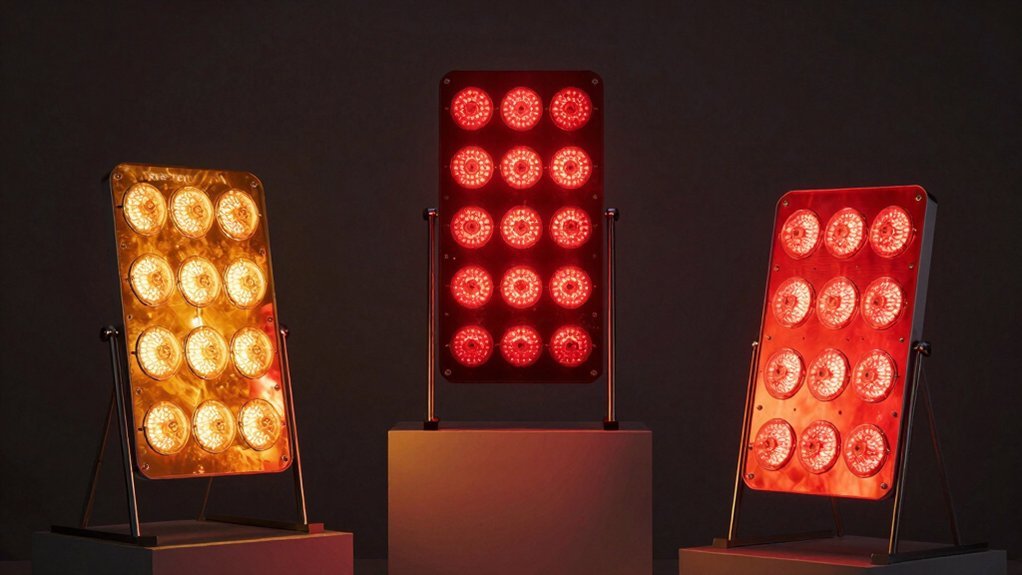
You’re likely wondering which near-infrared panels actually deliver on their mitochondrial energy promises. With countless options flooding the market in 2026, it’s tough to know what separates genuine performance from marketing hype. The right panel can transform your recovery routine, but choosing poorly wastes money and time. Let’s break down what makes the top contenders stand out.
| Comfytemp Red Light Therapy Mat 480 LEDs |  | Best Coverage | Wavelengths: 660nm & 850nm | Power Output: 65W | LED Count/Array: 480 LEDs | CHECK ON AMAZON | Read Our Analysis |
| LED Red Light Therapy Panel 660nm & 850nm | 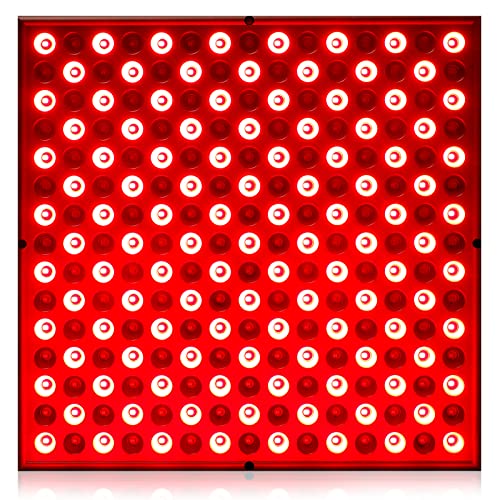 | Best for Skin | Wavelengths: 660nm & 850nm | Power Output: 45W | LED Count/Array: Not specified | CHECK ON AMAZON | Read Our Analysis |
| Red-Light Therapy LED Panel 660nm & 850nm | Best Value | Wavelengths: 660nm & 850nm | Power Output: 45W | LED Count/Array: Not specified | CHECK ON AMAZON | Read Our Analysis |
More Details on Our Top Picks
Comfytemp Red Light Therapy Mat 480 LEDs
If you’re seeking broad-coverage light therapy without the expense of a full-body panel, the Comfytemp mat’s 480-LED array delivers targeted mitochondrial support across your back, joints, and core muscles. Its dual-wavelength technology—660nm and 850nm—penetrates tissue effectively, stimulating cellular energy production. The 33″ x 17″ size covers substantial body areas, making it ideal for treating multiple zones simultaneously. You’ll appreciate the straightforward operation: four light modes with three adjustable intensity levels let you customize sessions to your needs. At just 65W, it’s energy-efficient for daily 20-minute treatments. Plus, its FSA and HSA eligibility reduces costs. Note that clothing thickness may diminish light penetration, so direct skin contact maximizes benefits.
- Wavelengths:660nm & 850nm
- Power Output:65W
- LED Count/Array:480 LEDs
- Coverage Area:33″ x 17″
- Skin Benefits:Joint, muscle, and body therapy
- Flexibility of Use:Designed for stationary body placement
- Additional Feature:FSA/HSA eligible coverage
- Additional Feature:Four light modes available
- Additional Feature:Designed for limited mobility
LED Red Light Therapy Panel 660nm & 850nm
You’ll appreciate the LED Red Light Therapy Panel’s 660nm and 850nm wavelength combo—it’s engineered specifically for those seeking daily skin rejuvenation without leaving home. The 45W panel delivers deep red light that stimulates cellular repair while near-infrared wavelengths penetrate deeper, accelerating metabolism and boosting capillary circulation. You’ll notice diminished freckles, reduced redness, and visible anti-aging results. The flexible design lets you hang or position it anywhere, allowing you to read, work, or relax during sessions. It’s an ideal choice for office workers, fitness enthusiasts, and caregivers seeking safer pain relief than traditional medications. You get effective mitochondrial support with effortless daily integration.
- Wavelengths:660nm & 850nm
- Power Output:45W
- LED Count/Array:Not specified
- Coverage Area:Not specified
- Skin Benefits:Cell repair, anti-aging, circulation improvement
- Flexibility of Use:Can be hung or placed independently; usable while reading, watching TV, or using computer
- Additional Feature:Hangable or independent placement
- Additional Feature:Multitask-compatible use design
- Additional Feature:Suitable for diverse audiences
Red-Light Therapy LED Panel 660nm & 850nm
Looking for a versatile solution that tackles both skin health and muscle recovery without pharmaceutical side effects? This 45W LED panel combines 660nm and 850nm wavelengths—the scientifically proven duo for peak mitochondrial stimulation. You’ll experience collagen promotion, improved circulation, and enhanced cellular oxygenation that supports your skin’s elasticity and reduces visible aging signs. The near-infrared 850nm penetrates deeper tissues, making it ideal for joint and muscle pain relief. Its flexible setup lets you use it anywhere while reading or working. With a reliable 4-month replacement guarantee, you’re investing in burdenless, long-term wellness for your entire family.
- Wavelengths:660nm & 850nm
- Power Output:45W
- LED Count/Array:Not specified
- Coverage Area:Not specified
- Skin Benefits:Collagen promotion, wrinkle reduction, elasticity support
- Flexibility of Use:Can be hung or placed independently; usable while reading, watching TV, or using computer
- Additional Feature:Four-month replacement policy
- Additional Feature:Advanced long-life LED technology
- Additional Feature:Collagen stimulation and elastin
Factors to Consider When Choosing a Near Infrared Panel for Targeting Mitochondrial Energy Production
When you’re selecting a near infrared panel for mitochondrial energy production, you’ll want to examine wavelength specifications, LED count, and power output to ensure you’re getting effective cellular penetration. Your choice should account for penetration depth capabilities and how well the panel’s design accommodates flexible placement in your space. These factors work together to determine whether you’ll achieve the therapeutic results you’re seeking from your light therapy investment.
Wavelength Specifications Matter
Why does wavelength selection matter so much when you’re shopping for a near-infrared panel? Because different wavelengths penetrate tissue at varying depths and interact with mitochondrial chromophores differently. The 660 nm wavelength (deep red) promotes cellular repair while staying closer to the surface, while 850 nm penetrates deeper, reaching mitochondria beneath skin layers. When you combine both wavelengths, you create a synergistic effect that stimulates cytochrome c oxidase activity—the critical mitochondrial enzyme responsible for ATP production. Your choice directly influences how efficiently your cells generate energy. Narrow-band specifications determine which biological responses you’ll activate and which tissues you’ll effectively target. Select wavelengths strategically based on your depth requirements and desired mitochondrial outcomes.
LED Count And Coverage
How effectively does your near-infrared panel distribute light across the treatment area? A higher LED count directly impacts your treatment’s success. More LEDs increase total light output and broaden coverage, enhancing mitochondrial energy production across larger tissue areas. They also eliminate untreated gaps, enabling uniform photobiomodulation throughout deeper and surrounding cells.
Denser LED arrays deliver more consistent irradiance, maintaining reliable stimulation of mitochondrial respiration and ATP synthesis. You’ll reduce treatment time significantly since sufficient photon flux reaches your target mitochondria more efficiently.
However, coverage quality trumps quantity alone. Even panels with similar wavelengths underperform if they lack sufficient LED density or feature uneven layouts. Poor distribution creates hotspots and dim zones, diminishing the mitochondrial energy benefits you’re seeking.
Power Output Requirements
Because mitochondrial stimulation depends on sufficient photon delivery, you’ll want to prioritize power output as a critical selection criterion. Higher wattage panels deliver more photons per second to your tissues, enhancing cytochrome c oxidase activation and ATP production.
However, total wattage alone doesn’t guarantee effectiveness. You’ll need to consider irradiance at your skin and treatment distance, since consistent power distribution across the panel’s surface matters significantly for uniform mitochondrial activation. A 45W panel with even power delivery outperforms an inconsistently powered alternative.
You should also evaluate thermal management and energy efficiency. Excessive heat reduces comfort and may compromise sustained mitochondrial energy production. When selecting a panel, balance raw power output with practical delivery consistency and user experience.
Penetration Depth Capabilities
Selecting the right wavelength combination determines whether you’ll effectively stimulate mitochondria in superficial or deeper tissue layers. The 660 nm wavelength penetrates skin’s upper layers, while 850 nm reaches deeper dermal and subcutaneous regions where mitochondria in larger muscle groups reside. Combining both wavelengths maximizes your mitochondrial targeting across multiple tissue depths.
Your tissue composition significantly influences penetration effectiveness. Skin thickness, subcutaneous fat distribution, and individual tissue variation all affect how deeply light travels. Panels with higher 850 nm irradiance deliver greater energy to deeper mitochondria compared to 660 nm-only devices. If you’re targeting deeper tissues or possess higher body fat, prioritize panels emphasizing 850 nm output for optimal mitochondrial stimulation throughout your body.
Flexibility In Placement
Beyond optimizing wavelength combinations, you’ll want to contemplate how easily you can position your near infrared panel to target specific body regions where you need mitochondrial support most. Panels offering independent, flexible placement let you direct light precisely where mitochondria-rich tissues need energy production support. Adjustable angles and heights accommodate your comfort while maintaining effective irradiance on target sites. This adaptability proves particularly valuable when treating expansive areas like your back—lateral positioning or stacking enables comprehensive coverage. Wall-mountable designs eliminate constant repositioning, allowing uninterrupted sessions that align with your mitochondrial repair timelines. Additionally, adjustable mounting options help you optimize the distance between panel and skin, balancing irradiance intensity safely across different body shapes and contours.
Safety And Side Effects
Understanding the safety profile of near-infrared light therapy helps you use these panels confidently and effectively. Near-infrared light at 660 nm and 850 nm produces minimal tissue heating and non-ionizing radiation, making burns unlikely when you follow manufacturer guidelines. You’ll rarely experience side effects beyond transient warmth or mild skin redness, which resolve naturally.
To maximize safety, you should avoid direct LED exposure to your eyes and stick to recommended treatment durations—typically around 20 minutes daily. Prolonged sessions without breaks may reduce comfort and efficacy rather than enhance results.
If you have photosensitive conditions, active skin infections, or take photosensitizing medications, consult your healthcare provider before starting treatment. These precautions ensure you harness near-infrared therapy’s mitochondrial benefits safely.
Durability And Longevity
While safety protocols protect you during treatment, a panel’s long-term durability determines whether you’ll maintain consistent mitochondrial stimulation for months and years ahead. You’ll want to prioritize panels featuring high-reliability LED technology with extended lifespans and low thermal resistance that sustain performance reliably over time.
Look for devices backed by thorough warranties or replacement policies—these commitments reflect manufacturer confidence in longevity. Robust build quality and durable housing protect your investment through daily use and relocations.
Heat management design matters notably. You need effective cooling or heat dissipation systems that maintain performance during extended sessions without degradation. Finally, verify wavelength consistency at 660nm and 850nm throughout the device’s lifetime. This stability ensures your mitochondrial energy production stimulation remains effective as your panel ages.
Everyday Practical Application
How often can you realistically use a near infrared panel without disrupting your daily routine? The best panels fit seamlessly into your life. You’ll want a device you can hang or position conveniently—whether that’s near your desk, bed, or workout space. The ability to use panels while reading, watching TV, or working means you’re not sacrificing time. Daily 20-minute sessions become sustainable when they don’t demand dedicated attention or downtime. Flexibility matters enormously for adherence. Panels with broader LED arrays like those with 480 LEDs deliver uniform coverage, so you’re not repositioning constantly. Look for devices that combine convenience with effective wavelength delivery at 660nm and 850nm. When your panel works with your schedule rather than against it, you’ll maintain consistent sessions that support mitochondrial function long-term.
Frequently Asked Questions
How Long Does It Take to See Results From Near-Infrared Light Therapy Panels?
You’ll typically notice initial results within 2-4 weeks of consistent use, though deeper mitochondrial benefits develop over 8-12 weeks. You’re building cellular energy gradually, so you’ll experience improved energy levels and recovery as you continue.
Are There Any Safety Risks or Side Effects From Daily Near-Infrared Panel Use?
You’ll experience minimal side effects from daily near-infrared panel use when you follow recommended distance and duration guidelines. Occasional mild eye strain or skin irritation can occur, but you’re unlikely to encounter serious risks with proper precautions.
What Is the Optimal Distance to Place Near-Infrared Panels From Your Body?
You’ll want to position your near-infrared panels 6-12 inches from your skin for optimal results. This distance allows you to receive therapeutic wavelengths without overheating. Always follow your specific panel’s manufacturer guidelines for best outcomes.
Can Near-Infrared Therapy Panels Be Used Alongside Other Health Supplements or Treatments?
You can safely combine near-infrared therapy panels with most supplements and treatments. However, you’ll want to consult your healthcare provider about potential interactions, especially with light-sensitive medications or specific health conditions you’re managing.
How Do Near-Infrared Panels Compare in Effectiveness to Natural Sunlight Exposure?
You’ll find that near-infrared panels deliver concentrated wavelengths more efficiently than sunlight, which contains only 49% infrared radiation. You’re getting targeted mitochondrial stimulation without UV exposure risks that natural sunlight presents.