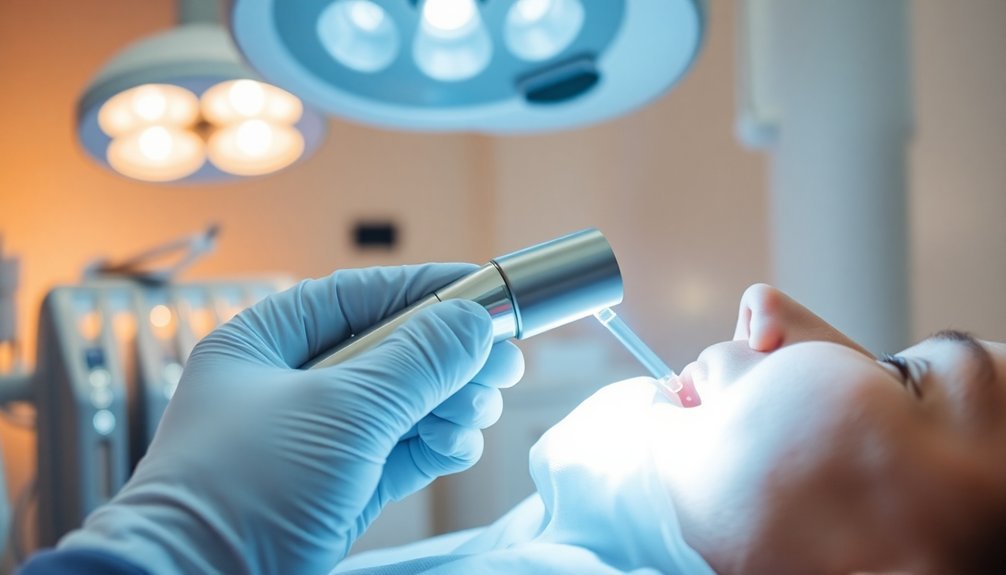
Radiation therapy fights periodontal bone loss in several effective ways. First, it promotes tissue regeneration, enhancing the healing environment for your gums. It also reduces inflammation, improving your oral health. By enhancing blood flow, radiation therapy supports better nutrient delivery to the periodontal tissues. Additionally, it helps maintain bone density and facilitates essential healing pathways. Radiation therapy combats harmful bacterial infections, restoring balance to your oral microbiome. Finally, it improves overall oral health outcomes, making it a valuable option. There's much more to uncover about its benefits, so keep going to discover additional insights.
Promotes Tissue Regeneration

In the domain of periodontal treatment, understanding how radiation therapy impacts tissue regeneration is crucial for patient care. Radiation therapy can severely disrupt the healing process by damaging the cellular components critical for bone regeneration. If you or someone you know suffers from severe periodontal disease before undergoing radiation, the risk of complications, such as osteoradionecrosis, increases. This condition can greatly hinder healing due to reduced blood supply and cellular activity in the irradiated area. To address these challenges, utilizing biomaterials like frozen radiation-sterilized allogenic bone grafts (FRSABG) and deproteinized bovine bone mineral (DBBM) can enhance tissue regeneration. Combining these biomaterials with bioabsorbable collagen membranes provides effective barriers that prevent unwanted tissue growth into surgical defects. FRSABG has shown notable improvements in probing pocket depth reduction compared to DBBM, promoting regeneration, especially in deep intra-bony defects. Factors influencing healing effectiveness, such as available cells and signaling factors, highlight the importance of tailored approaches for success in irradiated patients. While pre-radiation dental evaluations can mitigate some risks, ongoing management and collaboration among healthcare professionals remain essential. Achieving ideal tissue regeneration in irradiated patients involves employing advanced materials and techniques** tailored to individual needs, ensuring the best possible route to healing.
Reduces Inflammation Effects
When you undergo radiation therapy, it can actually minimize soft tissue damage, which is essential for maintaining oral health. This reduction in damage helps your body enhance its healing response, potentially lowering inflammation levels. Additionally, radiation therapy is known to cause significant changes in dental indices, emphasizing the need for careful monitoring of oral health throughout the treatment process.
Minimizes Soft Tissue Damage
Delivering targeted radiation therapy can greatly minimize soft tissue damage, thereby reducing inflammation effects during treatment.
Radiation therapy protocols, like proton beam therapy, focus on delivering precise beams to the tumor while sparing nearby healthy tissue. This precision is essential in mitigating inflammation and elevating healing within the oral environment. Additionally, studies show that quitting smoking before treatment starts can significantly improve the treatment response and reduce side effects.
Before radiation begins, thorough dental care guarantees that any existing oral issues are addressed. Treating periodontal breakdown and performing extractions of problematic teeth can markedly lower the risk of subsequent inflammation during therapy.
By eliminating oral infections and maintaining excellent oral hygiene, you can further minimize soft tissue damage.
Different radiation fractionation techniques—such as hyperfractionation and hypofractionation—allow for delivering effective radiation doses while reducing the risk of cumulative tissue exposure.
These methods help limit prolonged radiation effects, greatly aiding in preserving soft tissues in the mouth.
After treatment, you'll need regular follow-ups to monitor any potential side effects like oral mucositis or dry mouth.
Enhances Healing Response
Radiation therapy greatly enhances your healing response by effectively reducing inflammation effects in the jawbone and surrounding tissues. For those dealing with severe periodontal disease, undergoing proper pre-radiation dental care is essential. This can include removing unsavable teeth before treatment to prevent future complications and reduce the chances of osteoradionecrosis.
It's also important to maximize periodontal health and consider fluoride therapy to prepare for radiation.
While radiation therapy can diminish your bone's ability to heal and increase infection risks, addressing periodontal breakdown beforehand greatly lowers these dangers. The possibility of bone healing problems soars when periodontal pockets are larger than 6 mm at baseline. Additionally, small blood vessels within the bone can suffer damage from radiation, complicating recovery.
Although high-dose radiation may initially impair osteoclast function, careful dental management pre-treatment can mitigate these effects. Also, therapies like hyperbaric oxygen can encourage healing in irradiated areas.
Given the lifelong risks associated with osteoradionecrosis, proactive dental measures pre-radiotherapy are fundamental for ensuring the best possible healing outcomes post-treatment.
Enhances Blood Flow

You might think radiation therapy enhances blood flow, but that's not the case.
It actually compromises blood vessel function, affecting nutrient delivery and oxygenation to the tissues.
Understanding these changes is essential for maintaining periodontal health during treatment.
Increased Vascularity Post-Treatment
Following radiation therapy, it's important to understand how vascularity can be affected in the periodontal region. While increased blood flow might sound beneficial, the reality is that high-dose radiation often reduces vascularity in the periodontal membrane. This reduction can lead to significant problems such as soft tissue ischemia and changes in the structure of the periodontal ligament.
Here are some key points to reflect on about increased vascularity post-treatment:
- Potential for Increased Risk: Reduced vascularity heightens the risk of osteoradionecrosis, a severe condition affecting bone health.
- Impact on Healing: Insufficient blood supply means that healing processes are less effective, leading to long-term complications in the periodontal area.
- Gingival Recession: A decrease in blood flow can contribute to gingival recession, exposing root surfaces and increasing susceptibility to dental issues.
Ultimately, understanding these effects helps you manage potential complications better. It's important to monitor periodontal health closely after radiation therapy to mitigate these vascular-related challenges.
Keeping your dental care team informed is crucial for suitable interventions and support.
Improved Nutrient Delivery
While reduced vascularity poses significant challenges after radiation therapy, it's important to recognize that improved nutrient delivery can play a significant role in countering these effects. Enhanced blood flow helps deliver essential nutrients and oxygen to the periodontal tissues, which have been adversely affected by radiation.
When blood circulation increases, it alleviates the ischemia caused by radiation-induced vascular changes, allowing nutrients to more effectively reach the areas that need them. Improved nutrient delivery can mitigate the negative impacts of the weak periodontal membrane and supporting structures that radiation therapy often exacerbates.
This means that, as a patient, you'll have a better chance of maintaining periodontal health and preventing further attachment loss or bone density reduction. It's crucial to remember that a well-nourished environment supports healing and helps combat issues like periodontal disease that can arise from poor oral health.
To actively support improved nutrient delivery, focus on maintaining a nutrient-rich diet and consult your healthcare provider about ways to enhance circulation in your oral region.
This proactive approach not only benefits your overall health but also directly supports your recovery from radiation therapy's effects on gum tissue and bone.
Enhanced Tissue Oxygenation
Enhanced tissue oxygenation plays an essential role in the recovery process for patients undergoing radiation therapy. As radiation damages small blood vessels in the bone, oxygen levels drop considerably. This hypoxia hinders metabolic functions critical for bone health, leading to a slow healing process and an increased risk of conditions like osteoradionecrosis (ORN).
However, advancements like hyperbaric oxygen therapy (HBO) can help restore proper oxygenation in affected tissues.
Consider these benefits of HBO therapy:
- Increased oxygenation promotes tissue repair and healing.
- Stimulation of angiogenesis enhances new blood vessel formation, improving blood flow.
- Reduction of edema creates a more favorable environment for recovery.
With HBO, you can see improved clinical outcomes, especially when combined with other treatments, such as surgical debridement or antibiotic therapy.
This therapy not only reduces tissue necrosis rates but also supports reconstructive surgeries, making it a crucial adjunct for high-risk patients. By restoring oxygen levels, HBO therapy greatly enhances your body's ability to heal, ultimately combating the adverse effects of radiation therapy on periodontal bone loss.
Supports Bone Density
Understanding how radiation therapy affects bone density is essential for managing patient care during and after treatment. Radiation therapy can lead to considerable bone density loss, particularly in the periodontium and angle of the mandible.
Studies show that bone density around the tooth decreases from an average of 333.26 Hounsfield units pre-treatment to 306.02 post-treatment. High-dose radiation results in vascular changes, reduced blood flow, and a loss of osteoblasts, contributing to osteopenia.
The incidence of osteopenia varies between 8% and 23%, often depending on factors like chemotherapy. A direct consequence of high-dose radiation is obliterative endarteritis, leading to soft tissue ischemia and making irradiated bone hypovascular and hypoxic. This greatly impacts healing capabilities, increasing the risk of complications, including osteoradionecrosis.
Poor oral hygiene and inadequate dental care before radiation therapy can exacerbate these risks. To mitigate these effects, guarantee thorough dental evaluations before starting radiation therapy.
Treating any oral issues beforehand not only supports bone density but also reduces the likelihood of complications post-treatment, allowing for better overall patient outcomes in managing periodontal health.
Facilitates Healing Pathways

Radiation therapy can paradoxically facilitate healing pathways in the context of bone recovery, despite its potential for causing damage. When you undergo radiation treatment, it may alter the microenvironment of your bone marrow, affecting stem cell differentiation. While this alteration generally favors adipogenesis over osteogenesis, it can still set the stage for potential healing opportunities in certain contexts.
Here are a few ways radiation therapy can play a role in healing:
- Encourages a focus on pre-treatment dental care, improving outcomes.
- Promotes the use of adjunct therapies that can enhance recovery.
- Allows for tailored interventions based on individual healing responses.
Understanding the intricate relationship between radiation therapy and bone healing is vital. Even though radiation exposure poses risks, it also emphasizes the significance of addressing your periodontal health before and during treatment.
By maintaining meticulous oral hygiene and seeking professional dental care, you're more likely to mitigate adverse effects. Consideration of nutrition and hydration can further enhance the healing environment post-therapy.
Balancing these factors can lead to improved healing pathways, making the most of the paradox that radiation therapy presents.
Combats Bacterial Infections
The effects of radiation therapy extend beyond treatment effectiveness, particularly when it comes to combating bacterial infections in the oral cavity. Radiation disrupts the balance of oral bacteria, often leading to an increase in harmful bacteria. This shift can prompt infections and other oral complications, especially as the treatment damages the mouth's lining and salivary glands.
When salivary flow decreases, the natural cleansing and protective functions of saliva are impaired, allowing bacteria to thrive. You'll find that radiation-induced dry mouth (xerostomia) considerably raises the risk of infections, as the altered saliva composition favors harmful bacteria.
Additionally, the destruction of oral tissue and bone during therapy can create potential sites for bacterial colonization, making it more challenging for your body to fight those infections. A weakened immune response from radiation therapy can further complicate matters, increasing susceptibility to oral infections.
With slower healing times and potential systemic effects, these factors contribute to a heightened risk of severe and persistent infections in your periodontal tissues. Overall, while radiation therapy fights bone loss, it also necessitates vigilance against bacterial infections that may arise from its side effects.
Improves Oral Health Outcomes

While radiation therapy poses considerable challenges, particularly regarding the risk of infections, it can also lead to improved oral health outcomes when managed properly. A thorough dental evaluation before treatment is essential to assess your dental health. This helps you identify and address any issues, reducing the likelihood of severe oral side effects down the line.
You'll want to communicate closely with both your dentist and cancer specialists for a detailed care plan.
To maximize your oral health during and after radiation therapy, consider these vital practices:
- Maintain proper dental hygiene: Brush twice a day and floss daily.
- Use prescription fluoride: Regular use can help prevent cavities and dental problems.
- Stay vigilant: Perform daily mouth checks for early detection of any oral health issues.
Additionally, minimizing radiation exposure to healthy tissues through techniques like proton beam therapy helps in preserving your oral health.
Long-term care and communication with dental professionals will allow you to effectively manage and monitor any emerging issues. By taking these proactive steps, you can greatly improve your oral health outcomes during and after radiation therapy.
Frequently Asked Questions
How Does Radiation Therapy Specifically Target Periodontal Disease?
Radiation therapy targets periodontal disease by disrupting blood flow and causing tissue hypoxia, making your gums vulnerable to infections. It alters your oral microbiome, creating an environment conducive to pathogenic bacteria, complicating your dental health.
Can Radiation Therapy Worsen Existing Dental Conditions?
Yes, radiation therapy can worsen existing dental conditions. It reduces saliva production and alters your oral flora, increasing the risk of cavities and gum disease, while complicating healing and potentially leading to more severe issues.
What Precautions Should Be Taken Before Starting Radiation Therapy?
Before starting radiation therapy, you should get a dental examination, address any oral trauma, discuss medications with your oncologist, and arrange transport. Proper preparation helps minimize complications and enhances the effectiveness of your treatment.
Is Prior Dental Treatment Necessary Before Radiation Therapy?
Yes, prior dental treatment is essential before radiation therapy. It reduces risks like tooth loss, complications, and osteoradionecrosis. You'll enhance your overall treatment success and improve your quality of life with proper dental care beforehand.
How Can Patients Manage Oral Health During Radiation Treatment?
To manage your oral health during radiation treatment, brush gently twice daily, floss, and use saltwater rinses. Stay hydrated, avoid alcohol mouthrinses, and keep up with dental check-ups to prevent complications.
In Summary
In conclusion, radiation therapy offers impressive benefits in combating periodontal bone loss. By promoting tissue regeneration and enhancing blood flow, it creates a healthier environment for recovery. You'll see reduced inflammation and improved bone density, which are vital for oral health. Additionally, it effectively facilitates healing pathways and fights off bacterial infections, ultimately leading to better oral health outcomes. Embracing this treatment can make a significant difference in maintaining your periodontal health.




Leave a Reply