
Radiation therapy can be an unexpected source of natural depression relief for you, especially if you're undergoing cancer treatment. Many patients experience significant mood improvements after treatment due to the direct effects on pain relief and well-being. Techniques like Stereotactic Radiosurgery (SRS) offer non-invasive options that minimize risks while enhancing your emotional health. Alongside conventional methods, integrating supportive therapies such as mindfulness or exercise can amplify these benefits. If you're curious about how to optimize your treatment for better mood and emotional wellness, there's more to explore on this topic.
Understanding Radiation Therapy
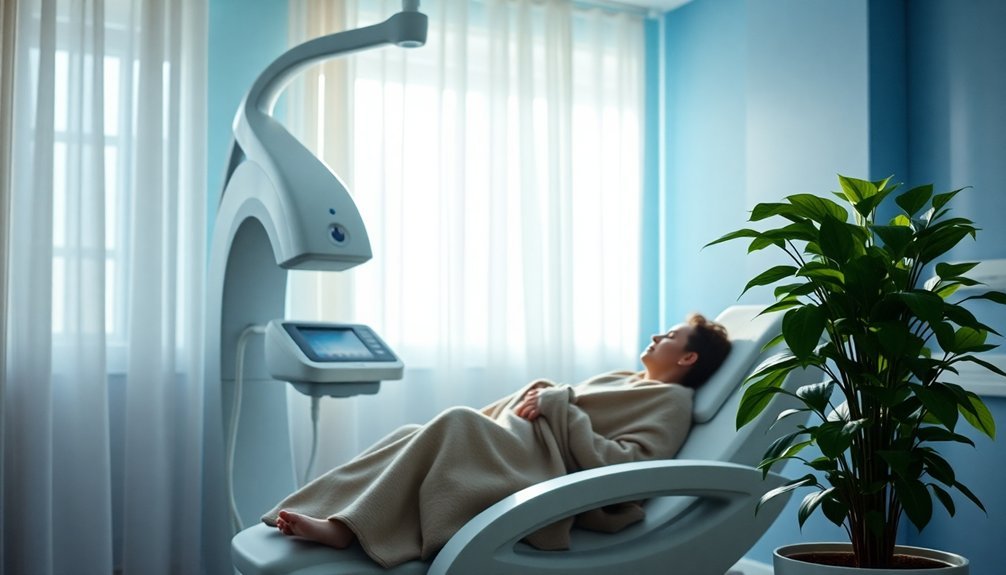
Radiation therapy plays an essential role in cancer treatment, harnessing high-energy particles or waves to target and destroy cancer cells. You may encounter several methods for administering this treatment, including external beam radiation therapy, internal radiation therapy, and systemic radiation therapy.
External beam therapy directs radiation from outside your body, precisely targeting the cancer cells. In internal therapy, small amounts of radioactive material are placed inside your body near the affected area. For systemic therapy, radioactive substances are introduced into your bloodstream to reach and attack cancer cells throughout your body. Additionally, recent advancements have shown that radiation therapy can also be applied to treat treatment-resistant depression.
While radiation therapy can effectively treat cancer, it's important to be aware of potential side effects. You might experience fatigue, skin changes, or discomfort depending on the treatment area.
Specific side effects vary by location: for example, radiation to your head and neck may cause soreness or dry mouth, while radiation to your chest may lead to swallowing issues and a sore throat.
Treatment plans aim to minimize these side effects, with healthcare professionals providing support and interventions to help you manage them, ensuring your journey through radiation therapy is as smooth as possible.
Mechanism of Mood Improvement
Psychotherapy offers different strategies tailored to your needs. Cognitive Behavioral Therapy (CBT) helps you recognize and process feelings, while Acceptance and Commitment Therapy (ACT) encourages mindfulness and acceptance of negative thoughts. Interpersonal Therapy (IPT) connects your relationships to your mood, and Eye Movement Desensitization and Reprocessing (EMDR) aids in healing past traumas. By employing relaxation techniques and coping strategies, these therapies can help manage negative thoughts effectively. Furthermore, the significant increase in anxiety and depression among cancer patients during the COVID-19 pandemic emphasizes the importance of these therapeutic approaches.
Medications also play an essential role. Selective serotonin reuptake inhibitors (SSRIs) and serotonin norepinephrine reuptake inhibitors (SNRIs) work over weeks to boost your serotonin levels, easing depressive symptoms. Meanwhile, brain stimulation therapies and light therapy offer alternative mood enhancements. Light therapy can improve symptoms within a week, especially when combined with other treatments. Finally, engaging in complementary activities like yoga and mindfulness helps you stay present, directing you toward a better emotional state.
Clinical Benefits for Patients

When exploring natural depression relief, you'll notice that many patients experience rapid symptom improvement shortly after treatment. This quick response not only enhances their quality of life but also allows them to engage more actively in daily activities and enjoy the things they once loved. Ultimately, these benefits can lead to a more fulfilling and balanced life. Additionally, the efficacy of radiation therapy often contributes to alleviating the emotional toll of cancer diagnosis and treatment.
Enhanced Quality of Life
Enhanced quality of life is a crucial focus in cancer treatment, and modern radiation therapy plays a considerable role in achieving this goal. By targeting cancer cells effectively, this treatment not only aims to eliminate cancer but also alleviates troubling symptoms that can overshadow daily living.
- Reduced Cancer Symptoms: Radiation therapy can shrink tumors, relieving pressure, pain, and even bleeding from affected organs. For patients with advanced cancer, roughly 75% experience notable pain relief, particularly from bone metastasis.
- Increased Treatment Effectiveness: When combined with other therapies like surgery or chemotherapy, radiation can reduce cancer recurrence considerably. Advanced techniques, such as the RefleXion SCINTIX® BgRT, maximize this effect by precision-targeting cancer cells while preserving healthy tissue.
- Advanced Technology and Precision: Modern radiation therapy employs cutting-edge technologies to minimize side effects. Intraoperative radiation delivery during surgery is one example, enhancing effectiveness and further improving your comfort and outcomes.
With these advancements, radiation therapy not only treats the disease but also prioritizes your quality of life, helping you navigate your cancer journey with greater ease.
Rapid Symptom Improvement
Radiation therapy often brings about rapid symptom improvement for cancer patients, allowing you to reclaim comfort and focus on daily life. For those battling advanced head and neck cancer, you'll likely experience significant relief, with 60-80% of patients noting reduced pain and improved swallowing. Most report partial responses in tumor size at treatment sites, translating to a better quality of life.
Advanced radiation techniques like hypofractionated radiotherapy mean you'll spend less time in treatment while still receiving effective doses. This method not only minimizes side effects like skin irritation and fatigue but also allows for fewer sessions—sometimes just one to five.
Comparing outcomes across cancer types shows patients with prostate, gastrointestinal, and lung cancers enjoying similar benefits from reduced treatment times. If you fit the criteria for hypofractionated radiotherapy, you could see your treatment time cut in half.
Moreover, understanding the differences between patient-reported and clinician-reported symptoms helps guarantee that your experience guides future care. By focusing on accurate symptom assessments, radiation therapy empowers you to achieve significant symptom relief and enhance your overall well-being.
Comparing Treatment Options
When considering treatment options for depression, you'll find both invasive and non-invasive methods available.
Each approach has its own set of benefits and challenges, and understanding these can help you make an informed choice.
Additionally, exploring complementary therapies may enhance your overall treatment experience and effectiveness.
Invasive vs. Non-Invasive Options
In exploring treatment options for depression, you'll often encounter two main categories: invasive and non-invasive approaches. Understanding the differences can help you make an informed choice that suits your needs.
Invasive options include:
- Deep Brain Stimulation – This involves implanting an electrode in the brain, aiming to ease severe depression.
- Electroconvulsive Therapy (ECT) – While effective for some, it requires anesthesia and carries risks like potential side effects and recovery time.
- Intravenous Medications – Treatments like ketamine are less invasive but can have short-lived effects and might require frequent visits.
On the other hand, non-invasive options offer distinct advantages. For example:
- Stereotactic Radiosurgery (SRS) allows focused radiation treatment without surgery, minimizing damage to healthy tissue.
- Lower Risks – Non-invasive methods generally feature reduced risks of bleeding or infection and shorter recovery times.
- Long-Term Benefits – These treatments provide sustained improvements in mental health, enhancing your quality of life without ongoing medication.
Ultimately, weighing these options can guide you toward a safer, effective path in your depression treatment.
Complementary Therapies Overview
Many people often seek complementary therapies alongside traditional treatments for depression, drawn by their potential to enhance well-being. In fact, depression is one of the most common reasons individuals turn to complementary and alternative medicine (CAM). More than one-third of Americans utilize these therapies annually, with a higher prevalence among those with psychiatric complaints.
These therapies encompass a diverse range of approaches, including nutritional, physical, psychological methods, and combinations thereof. Options like meditation, music therapy, and massage can help address mild depression. Herbal treatments, particularly Hypericum perforatum, show some positive effects, while exercise has the most robust evidence supporting its benefits.
Others, like acupuncture and relaxation techniques, have some efficacy, though less established. While the research backing these therapies is limited, it points to potential benefits for many. CAM therapies often provide alternatives with fewer side effects, helping improve adherence to treatment.
This is vital since patients frequently discontinue pharmacological or psychotherapy treatments prematurely, leading to poorer outcomes. Therefore, it's important to explore various treatment paths to find the best fit for your mental health needs.
Screening for Depression

Screening for depression plays an essential role in identifying individuals who may be struggling with mental health issues. It helps catch symptoms early, allowing for timely interventions.
There are several commonly used instruments to aid in this process:
- Patient Health Questionnaire (PHQ): Available in forms like PHQ-9, which includes nine items evaluating the frequency and intensity of symptoms. The PHQ-2 offers a condensed view, focusing on two primary questions.
- Beck Depression Inventory (BDI): This 21-question self-report assessment evaluates behaviors and severity, proving useful across a wide age range.
- Hospital Anxiety and Depression Scales (HADS): Specifically designed for adults, it helps measure anxiety and depression levels together.
For the general adult population, routine screening is recommended, including pregnant and postpartum women.
If results indicate depression, further evaluations should examine severity and any comorbid conditions. This may involve additional questionnaires or lab tests to rule out other medical issues.
Simple initial queries about feelings of hopelessness or lack of interest can initiate the screening process effectively.
Prioritizing this practice helps guarantee that those in need receive the support they deserve.
Complementary Natural Remedies
Identifying depression is just the beginning—finding effective ways to alleviate its symptoms is key to recovery. You might explore complementary natural remedies to enhance your well-being. Herbal options like St. John's Wort, German chamomile, and saffron show promise, but be cautious of potential interactions with medications. Always consult your doctor before trying these.
Aromatherapy can also be beneficial. Lavender essential oil may promote relaxation and help with mild to moderate depression, while lemon balm is useful for anxiety and sleep issues. Just remember that individual responses can vary.
Mindfulness practices like meditation and yoga can keep you grounded in the present, combating negative thoughts that fuel depression. Guided imagery and relaxation techniques are other strategies to manage your mental health.
You might find value in complementary therapies too. Acupuncture can improve symptoms and quality of life, especially during cancer treatment. Light therapy is another option that can lift your mood effectively.
Massage therapy and biofeedback both help reduce stress and anxiety, which often accompany depression. As you explore these remedies, understanding their benefits and limitations will help you make informed choices for your journey toward healing.
Accessibility of Treatment

Access to effective depression treatment can vary widely based on geography and infrastructure. In the U.S., around 77.9% of the population lives within 12.5 miles of a radiation therapy facility, while in Ghana, only 23% of eligible patients received treatment in 2020. The stark difference highlights the accessibility gap, influenced by location and socioeconomic factors.
Here are some key points to reflect on:
- Distance Matters: Individuals living further away from treatment facilities face additional challenges. In Ghana, patients often live over 110 kilometers from the nearest facility, which discourages treatment initiation.
- Income and Insurance: Access to radiation therapy is often tied to economic status. In the U.S., lower-income individuals are less likely to have insurance, which limits their accessibility to necessary treatments.
- Infrastructure Growth: While the U.S. has seen a 16.4% increase in radiation therapy facilities from 2005 to 2020, many regions, especially in Ghana, require significant investment in new facilities to meet demand and improve access.
Addressing these disparities is vital for enhancing treatment access and ensuring that everyone can benefit from this effective depression relief.
Patient Experience and Success Stories
Many patients have found renewed hope and joy in their lives after undergoing non-invasive radiation treatment for depression. Imagine feeling a huge weight lift after struggling with major depression for decades.
One patient, after just one treatment, reported significant improvement, allowing them to rediscover interests like sunsets, travel, and reading—things they thought were lost forever. Four months post-procedure, they not only stopped requiring ketamine infusions but also found themselves free from suicidal thoughts.
With this treatment, emotions are restored to a healthier balance. You can experience sadness without feeling overwhelmed, allowing you to process tough moments in life.
Patients who once felt constant misery now focus, concentrate, and engage meaningfully with the world. They've reclaimed hobbies that previously felt unmanageable.
As a collaborative team targets specific brain areas with focused X-rays, you can feel the effects without invasive procedures. Many report this experience as life-changing, where the small joys and big moments in life can be appreciated equally.
If you're ready to regain control over your mental health, these success stories showcase a path to a rejuvenated life—one that's enriched by the ability to feel again.
Frequently Asked Questions
What Are the Long-Term Effects of Non-Invasive Radiation Therapy for Depression?
You'll experience significant improvement in your quality of life, functionality, and emotional health. Long-term effects may include enhanced focus, rediscovery of interests, and no cognitive decline, fostering a positive outlook on life without depression.
How Does This Therapy Impact Overall Brain Function?
Radiation therapy can impact your brain function, possibly leading to declines in memory and learning. However, if you undergo advanced techniques, you might experience less cognitive decline and even improved cognitive recovery over time.
Can This Therapy Be Combined With Other Mental Health Treatments?
Yes, you can combine this therapy with other mental health treatments like psychotherapy and medications. Integrating these approaches can enhance overall effectiveness and help you manage symptoms better while targeting various aspects of your depression.
Is the Procedure Safe for All Age Groups?
Radiation therapy isn't universally safe for all age groups. You should be aware that children and pregnant women are more sensitive, and risks may vary based on age, health status, and treatment specifics. Always consult your doctor.
What Is the Cost of Non-Invasive Radiation Therapy for Depression?
The cost of non-invasive radiation therapy for depression varies based on the facility and location. Typically experimental, insurance doesn't cover it, and you might need to join clinical trials for reduced fees or access.
In Summary
Incorporating radiation therapy as a treatment approach can greatly enhance your well-being by alleviating depression. By understanding its mechanisms and benefits, you can make informed decisions about your health. Remember to contemplate complementary natural remedies to boost your mood further. It's crucial to keep communication open with your healthcare team about screening for depression and your treatment options. Your journey matters, and with the right support, you can navigate this path toward a brighter and healthier future.




Leave a Reply