

Accelerate your muscle recovery with infrared therapy by starting with 5-10 minute pre-workout light treatments to boost performance and prevent soreness. Target specific muscle groups by positioning devices 6-12 inches from your skin for 15-30 minute sessions. Schedule 3-4 weekly infrared sauna sessions, beginning with 10 minutes and building up to 30 minutes. Combine with contrast therapy, using both heat and cold applications for ideal results. Stay well-hydrated and track your progress through strength metrics and soreness levels. Layer multiple recovery methods like foam rolling and massage therapy with your infrared treatments. These evidence-based strategies will help you access infrared therapy's full healing potential.
Start With Pre-Workout Light Treatment

Three key benefits make pre-workout light therapy a game-changing addition to your exercise routine.
First, you'll experience reduced muscle soreness after intense workouts. When you apply red light therapy 5-10 minutes before exercise, particularly in the 640-950 nm wavelength range, you'll minimize delayed onset muscle soreness (DOMS) and recover faster from strenuous activities. The photobiomodulation process stimulates cellular repair at the deepest levels of muscle tissue.
Second, you'll notice enhanced performance during your workouts. Red light therapy boosts ATP production, increases blood flow, and improves oxygen delivery to your muscles. This combination leads to greater strength, better endurance, and reduced fatigue while you exercise. You'll be able to push harder and maintain peak performance throughout your training session.
Third, you'll considerably lower your risk of injury. The anti-inflammatory effects of red light therapy help protect your muscles from strain and damage during exercise.
When using red light therapy, position yourself 6-12 inches from the device and make sure it's set to the proper intensity level. For best results, incorporate this treatment into your routine 3-4 times weekly, or daily if you're training intensively.
Target Specific Muscle Groups
When you're treating sore muscles with infrared therapy, you'll get the most effective relief by precisely targeting deep tissue areas that need attention.
You can optimize your treatment by positioning the device 6-12 inches from your skin, allowing the near-infrared wavelengths to penetrate deeply into specific muscle groups.
For maximum benefit, focus the infrared light directly on problem areas like tight hamstrings or sore shoulders, rather than trying to treat your entire body at once. The therapy's enhanced blood circulation helps deliver vital nutrients and oxygen to the targeted muscles, accelerating the healing process.
Deep Tissue Pinpoint Relief
Through targeted infrared therapy, you can effectively pinpoint and treat specific muscle groups for deep tissue relief.
Using handheld infrared devices or portable panels, you'll be able to focus the healing light directly on problem areas, guaranteeing maximum penetration into deep tissue layers where it's needed most.
For ideal results, position the device a few inches from your skin and apply the treatment for 15-30 minutes.
If you're targeting multiple areas, you can use infrared wraps that stay in place while you rest. The infrared light will penetrate up to several inches deep, stimulating blood flow and reducing inflammation at the cellular level. This process enhances your body's ATP energy production.
Pre-workout application helps prevent injury and enhance performance, while post-workout treatment accelerates recovery and reduces muscle soreness.
When using combination therapy, you can pair infrared treatment with other recovery methods to amplify the healing effects.
Remember to gradually increase your treatment duration as needed, and always verify proper positioning for maximum effectiveness.
The wavelengths between 700-1200 nm are particularly effective at boosting cellular energy and promoting faster muscle repair.
Optimize Treatment Distance Zones
Distance precision plays an essential role in maximizing the effectiveness of infrared therapy for muscle recovery. To target large muscle groups effectively, position yourself 12 to 24 inches from the device. For focused treatment of specific muscles, especially after intense workouts, move closer to 6 to 12 inches from the light source.
Five treatment days each week with two rest days is recommended for optimal results during your recovery protocol. You'll want to adjust your distance based on the specific condition you're treating. For post-workout recovery or sports injuries, maintain a 12 to 24-inch distance while focusing directly on the affected area. If you're addressing multiple muscle groups or treating conditions like fibromyalgia, position yourself at the same distance but guarantee even coverage across the target areas.
Your device type also influences ideal positioning. Red light and near-infrared therapy devices work best at 6 to 12 inches for deep tissue penetration. Start with the recommended distance for your specific device, then adjust based on your comfort level and treatment goals.
Remember to keep a consistent distance throughout your session to guarantee uniform light distribution and ideal therapeutic benefits. If you're using an infrared sauna, specific distances aren't as critical since the heat-based mechanism works differently.
Time Your Sauna Sessions Right

Maximizing the benefits of infrared sauna therapy requires careful attention to session timing and duration. When you're new to sauna therapy, start with shorter 10-minute sessions and gradually increase to 20 minutes as your body adapts.
The heat shock proteins produced during sauna sessions help repair and protect your muscles from further damage.
Don't exceed the 20-minute limit to avoid potential adverse effects.
For ideal muscle recovery, schedule your sauna sessions after workouts, not before. Post-workout sauna use enhances muscle recovery, reduces soreness, and improves flexibility.
You'll want to aim for 2-4 sessions per week, depending on your training schedule and recovery needs.
While traditional saunas operate at temperatures above 175 degrees Fahrenheit, infrared saunas typically run cooler, allowing for slightly longer sessions. You can book these in 30-minute intervals, but always adjust based on your personal tolerance.
Remember to stay well-hydrated during and after each session.
To maximize recovery benefits, combine your sauna routine with other recovery methods like cold plunges, massage, and foam rolling.
You'll experience improved blood circulation, enhanced muscle recovery, and better overall flexibility. Always listen to your body and adjust session length and frequency according to your individual needs.
Combine Heat and Cold Therapy
Strategic combination of heat and cold therapy can supercharge your muscle recovery process. By alternating between heat and cold treatments, you'll stimulate blood flow and reduce inflammation more effectively than using either method alone. The key is to maintain a ratio of 3:1 or 4:1 warm-to-cold exposure time during your therapy sessions.
Start with heat therapy to increase circulation and oxygen delivery to your sore muscles. This will help relax tight tissue and enhance your muscle metabolism. Active recovery movements can be incorporated during the warm phases for enhanced benefits.
Then, switch to cold therapy, which triggers vasoconstriction and helps minimize swelling. You can use simple tools like hot water bottles, wheat packs, or ice packs for your treatment. For ideal results, aim for 20-30 minute sessions twice daily.
Always end your contrast therapy with cold application to promote vasoconstriction. This technique isn't just for acute injuries – it's also effective for managing chronic muscle aches, arthritis, and general recovery.
You'll benefit from improved oxygen and nutrient delivery to your muscles, enhanced lymphatic drainage, and better overall healing response. If you're dealing with fresh injuries, wait until the initial swelling subsides before starting contrast therapy.
Stay Hydrated During Recovery

When it comes to muscle recovery, proper hydration plays an essential role in your body's healing process. Water helps transport important nutrients to your muscles, maintains joint lubrication, and regulates your body temperature after intense workouts. Joint lubrication maintenance helps prevent stiffness and post-workout discomfort. Without adequate hydration, you'll experience slower recovery times and increased muscle discomfort.
Start your hydration strategy before your workout by drinking at least 17 ounces of water two hours prior to exercise. During your training, aim to drink 7-10 ounces every 10-20 minutes, especially during intense sessions. Monitor your sweat loss and adjust your intake accordingly.
Post-workout hydration is vital for ideal recovery. You'll want to consume 16-24 ounces of water for every pound of body weight lost during exercise within the first 30 minutes after your session.
Consider incorporating electrolyte-rich drinks to replenish minerals lost through sweating. Keep track of your hydration status by monitoring your urine color – it should maintain a pale, straw-like yellow. If you're feeling thirsty, you're already dehydrated, so maintain consistent water intake throughout your recovery period.
Use Handheld Infrared Devices
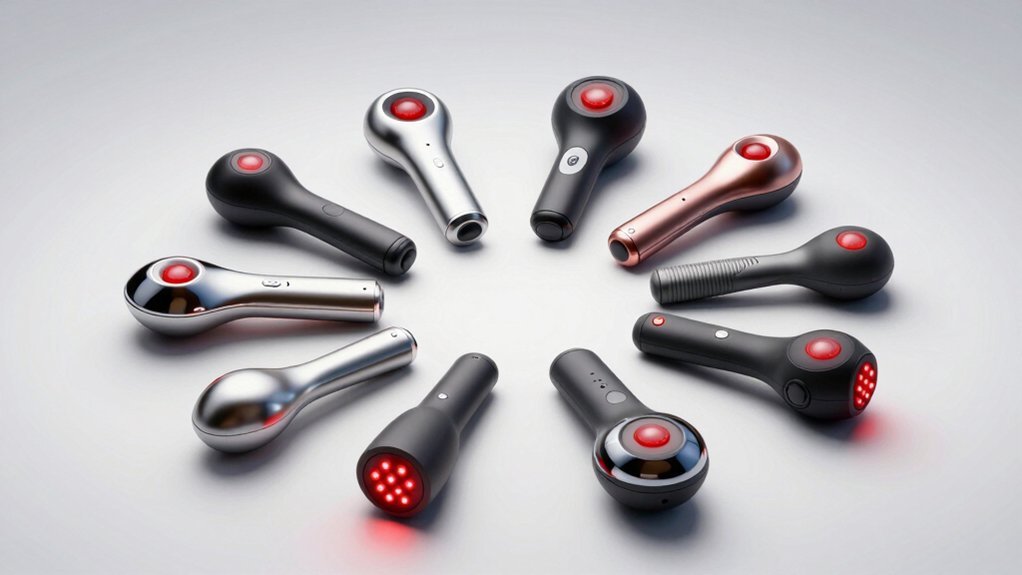
When you're dealing with sore muscles, your handheld infrared device lets you target specific pain points with medical-grade light therapy.
You'll appreciate how these portable devices fit easily in your gym bag, allowing you to treat muscle soreness wherever you go.
Quick 20-minute sessions with your infrared device can jumpstart your muscle recovery by increasing blood flow and reducing inflammation right where you need it most. Using a combination of red and infrared light penetrates deeply beneath the skin for optimal healing results.
Targeted Pain Point Relief
Since muscle soreness can strike anywhere on your body, handheld infrared devices offer a versatile solution for targeting specific pain points. You'll find these FDA-cleared devices particularly effective for treating joints, muscles, and nerve-related discomfort, making them suitable for conditions like arthritis, muscle strains, and tendinitis.
To maximize relief, position the device directly over your sore spots for 14-25 minutes per area. The infrared light penetrates deep into your tissues, stimulating increased blood flow and cellular regeneration where you need it most. You can safely use the device once or twice daily, though it's best to start with single treatments if you're new to infrared therapy.
For best results, focus on maintaining consistent contact with your target area throughout the session. The device's deep-penetrating light will help reduce inflammation while supporting muscle recovery and nerve healing.
If you're dealing with extensive soreness, you can treat multiple areas in succession – just remember to complete the full recommended duration for each spot. Since these devices automatically shut off after the set treatment time, you won't need to worry about overexposure.
Portable Treatment On-the-Go
For athletes and active individuals on the move, portable infrared devices provide a convenient solution for managing muscle soreness wherever life takes you.
These FDA-cleared, Class II devices combine red and infrared light technology to penetrate deep into your tissues, promoting faster recovery and natural healing.
You'll appreciate the lightweight design, typically around 12 ounces, which makes it easy to pack in your gym bag or travel case.
The compact dimensions (approximately 9.12" x 6.30" x 3.26") won't take up much space, yet deliver professional-grade treatment for various conditions including muscle strains, arthritis, and back pain.
Using these devices is straightforward – simply apply to your target area for the automated 20-minute session, up to three times daily.
The deep-penetrating light technology enhances blood circulation and cellular repair without medication.
You don't need to worry about complicated settings or timing, as the device shuts off automatically after each session.
Before incorporating infrared therapy into your recovery routine, consult your physician to verify it's appropriate for your specific needs.
With a one-year warranty and medical-grade specifications, you can trust these devices for safe, effective pain relief on the go.
Quick Muscle Recovery Sessions
Looking to accelerate your muscle recovery between workouts? Handheld infrared devices offer a convenient solution for quick muscle recovery sessions. These portable LED light therapy tools, originally developed from NASA research, target specific wavelengths to reduce pain and inflammation in localized areas.
You'll find these devices particularly effective when used for 20-minute sessions multiple times throughout your day. They work by enhancing blood circulation and promoting cellular repair, which helps speed up your recovery process. For ideal results, apply the device directly to your sore muscles and follow the manufacturer's guidelines carefully.
Here's what makes handheld infrared therapy an excellent recovery tool:
- It's versatile enough to treat various types of muscle soreness and pain conditions
- You can use it safely without professional training or supervision
- It's cost-effective compared to regular clinic visits
- It requires no medication and works well for all skin types
When incorporating handheld infrared devices into your recovery routine, combine them with other techniques like infrared sauna sessions.
Just remember that while these devices are effective for routine muscle recovery, they shouldn't replace medical attention for severe injuries.
Schedule Regular Recovery Sessions

Recovery success hinges on establishing a consistent infrared therapy schedule. You'll want to plan 3-4 sessions weekly, starting with shorter 10-15 minute sessions before progressing to 20-30 minutes as your body adapts. This frequency optimizes muscle recovery and enhances your athletic performance.
Schedule your sessions strategically around your workouts. Pre-workout infrared therapy preps your muscles and boosts ATP production, while post-workout sessions reduce inflammation and accelerate repair. For best results, integrate infrared therapy with other recovery methods like proper sleep, nutrition, and hydration.
| Time | Benefits | Action Items |
|---|---|---|
| Pre-Workout | Muscle preparation, injury prevention | 10-15 min session, light stretch |
| Post-Workout | Reduced inflammation, faster repair | 15-20 min session, protein intake |
| Rest Days | Enhanced recovery, stress reduction | 20-30 min session, deep breathing |
| Injury Recovery | Accelerated healing, pain relief | Multiple short sessions, gentle movement |
| Sleep Support | Improved rest, muscle repair | Evening session, cool-down period |
Remember to stay hydrated before and after each session, and always follow safety guidelines by using appropriate protective barriers between your skin and heat sources.
Optimize Distance and Duration
Now that you've established a consistent schedule, maximizing the benefits of infrared therapy depends on proper distance and duration settings. Start with red and near-infrared light therapy positioned 6-12 inches from your target area, gradually moving closer as your body adapts.
For infrared saunas, you'll want to begin with 10-15 minute sessions before progressing to 20-30 minutes as your tolerance builds.
For ideal results across different therapy types, follow these key guidelines:
- Position red and near-infrared devices 6-12 inches from your skin, spending 5-10 minutes per muscle group for pre-workout and 10-20 minutes for recovery
- Start sauna sessions at 10-15 minutes, increasing to 30 minutes as you adapt, maintaining proper hydration throughout
- Use far infrared therapy for 30-minute sessions, particularly effective for deep tissue healing and chronic pain
- Schedule 3-4 sessions weekly for general recovery, increasing frequency for specific injuries or intensive training periods
Remember to adjust these parameters based on your body's response and specific recovery needs.
If you're targeting particular injuries or chronic conditions, you may need longer durations and more frequent sessions to achieve desired results.
Track Your Recovery Progress

Track your body's healing response by monitoring key metrics like heart rate variability and grip strength throughout your infrared therapy sessions.
Document the specific times of day when you use infrared treatment and note how your muscles respond during these periods.
You'll gain valuable insights into your recovery patterns by combining objective measurements from wearable technology with your subjective feelings of muscle soreness and relief.
Monitor Daily Healing Metrics
Measuring the effectiveness of your infrared therapy sessions requires careful attention to specific recovery metrics. By tracking key indicators, you'll be able to optimize your recovery protocol and guarantee you're getting the most benefit from FIR treatments.
Focus on monitoring these essential healing markers during your recovery journey:
- Track your muscle soreness levels daily, noting whether you're experiencing the expected 55-60% reduction in discomfort after FIR sessions.
- Document your strength recovery by measuring performance metrics in subsequent workouts, paying attention to improvements in muscle endurance.
- Monitor your energy levels and workout capacity, which should improve as your testosterone/cortisol ratio becomes more favorable.
- Record your inflammation markers and recovery time between training sessions.
You'll want to maintain a consistent schedule of 3-4 infrared sessions per week while documenting these metrics.
Pay particular attention to how your body responds both pre- and post-workout when using FIR therapy. If you're seeing decreased muscle soreness, improved strength recovery, and enhanced performance markers, you're likely following an effective recovery protocol.
Adjust your FIR therapy timing and duration based on these documented results.
Document Treatment Time Zones
Through careful documentation of your infrared therapy time zones, you'll establish a clear roadmap for enhancing your recovery routine. Track your sessions consistently, aiming for 3-5 treatments per week with durations of 10-20 minutes per session. When treating larger muscle groups, you may need to extend these periods slightly for maximum effectiveness.
| Time Zone | Purpose | Duration |
|---|---|---|
| Post-Workout | Immediate inflammation reduction | 10-15 minutes |
| Recovery Days | Muscle repair and soreness relief | 15-20 minutes |
| Injury Treatment | Deep tissue healing and pain management | 20-30 minutes |
For enhanced results, combine your infrared therapy with strategic heat applications. If you're using an infrared sauna, schedule 20-30 minute sessions following your workouts to boost blood flow and reduce delayed onset muscle soreness. You'll want to document how your body responds to different treatment durations and frequencies. By maintaining detailed records of your sessions, you can identify patterns in your recovery progress and adjust your protocol accordingly. Remember that consistency in your treatment schedule is key to achieving superior results and tracking your healing metrics effectively.
Layer Multiple Recovery Methods
Combining multiple recovery methods can greatly amplify your muscle healing potential. When you pair infrared therapy with active recovery workouts, you'll maximize blood circulation and reduce inflammation more effectively than using either method alone.
Consider using an infrared sauna before light exercises like swimming or cycling to enhance your overall recovery process.
To create a thorough recovery routine, integrate these powerful combinations:
- Alternate between infrared sauna sessions and hydrotherapy treatments to reduce muscle soreness and improve circulation
- Combine handheld infrared devices with foam rolling for targeted treatment of specific muscle groups
- Use infrared wraps during gentle stretching or yoga to increase flexibility and reduce tension
- Schedule massage therapy sessions between infrared treatments to maximize blood flow and tissue repair
Don't forget to support these physical recovery methods with proper nutrition and adequate sleep.
Athletes particularly benefit from layering multiple recovery techniques, as the combined effects can greatly improve performance and reduce downtime.
Remember to customize your recovery routine based on your specific needs and activity level, adjusting the intensity and frequency of each method accordingly.
Frequently Asked Questions
Can Pregnant Women Safely Use Infrared Therapy for Muscle Recovery?
Yes, you can safely use infrared therapy while pregnant, but you'll need your doctor's approval first. It's non-invasive and can help with muscle pain, but always start with short sessions under medical supervision.
Does Infrared Therapy Interfere With Prescription Medications?
Yes, infrared therapy can interfere with certain medications, particularly those causing photosensitivity. You'll need to consult your healthcare provider and may have to pause some medications before starting infrared treatments for safety.
How Long Do the Pain-Relieving Effects of Infrared Therapy Typically Last?
You'll experience immediate pain relief that can last several hours after a session. With regular treatments, you can maintain longer-lasting relief that extends for days or weeks, especially for chronic conditions.
Is Infrared Therapy Effective for Chronic Muscle Conditions Like Fibromyalgia?
Yes, you'll find infrared therapy highly effective for fibromyalgia. It can reduce your pain levels by up to 70%, improve your quality of life, and provide long-lasting relief through deep tissue penetration and healing.
Can Infrared Therapy Help Reduce Muscle Knots and Trigger Points?
Yes, you'll find infrared therapy effective for muscle knots and trigger points. It increases blood flow, reduces inflammation, and penetrates deep into your tissue, helping deactivate painful trigger points and relax tense muscles.
In Summary
You'll get the most out of infrared recovery by making it part of your regular fitness routine. Don't skip the pre-workout treatments, and remember to target specific muscle groups while staying well-hydrated. Whether you're using an infrared sauna, lamp, or wrap, track your progress and combine methods for best results. By following these tips consistently, you'll experience faster recovery times and better athletic performance.



Leave a Reply