
Three proven light therapies can effectively tackle your skin inflammation concerns. Red LED light therapy penetrates deep into tissue to stimulate natural healing and restore healthy cytokine levels. UVB narrowband therapy, using specific wavelengths of 311-312 nm, slows rapid skin cell growth and modulates immune responses, making it ideal for conditions like psoriasis and eczema. Blue light photodynamic treatment targets acne and promotes skin rejuvenation with minimal downtime. Each option requires regular sessions and proper aftercare for best results. Understanding the unique benefits of each treatment will help you make an informed choice for your skin health.
Red LED Light Treatment
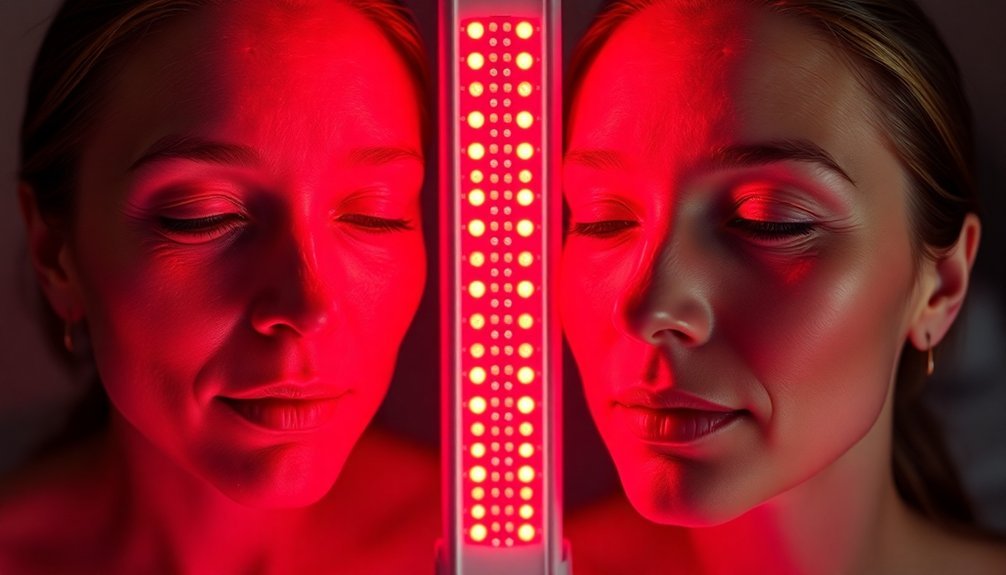
In the domain of skin inflammation treatments, red LED light therapy stands out as a powerful yet gentle solution. This non-invasive treatment penetrates deeper into your skin than blue light, targeting inflammation at its source while stimulating your cells' natural healing processes.
Clinical studies show that regular weekly sessions may be needed for several weeks to achieve optimal results. By activating your skin's mitochondria, it boosts ATP production, giving your cells the energy they need to repair and rejuvenate.
You'll find this therapy particularly effective for reducing inflammatory conditions like psoriasis and atopic dermatitis. It works by restoring healthy cytokine levels and decreasing inflammatory markers like IL-6 and TNF-α.
What's more, you won't have to worry about UV damage or excessive heat, as red LED light operates at safe, therapeutic levels.
When you're considering treatment options, you'll appreciate that red LED devices are compact and easy to use. However, you'll need to follow proper guidelines to avoid potential risks from overexposure.
While you can find home-use devices, it's important to consult your healthcare provider first, especially if you're dealing with chronic skin conditions. They can help determine if red LED light therapy is the right choice for your specific inflammation concerns.
UVB Narrowband Therapy
While red LED light therapy offers a gentle approach to skin inflammation, UVB narrowband therapy provides a more intensive solution for persistent skin conditions. This specialized treatment uses a specific wavelength of ultraviolet B light (311-312 nm) to slow down rapid skin cell growth, reduce inflammation, and modulate your skin's immune response. Each treatment is carefully monitored to ensure optimal therapeutic dosage.
You'll typically undergo treatments 2-3 times per week, with sessions ranging from seconds to minutes. What makes UVB narrowband therapy particularly effective is its targeted approach, which has proven more successful than traditional broadband UVB while minimizing side effects.
- Treats multiple conditions including psoriasis, eczema, and vitiligo
- Covers large body areas effectively in a single session
- Stimulates natural vitamin D production in your skin
- Offers better results with fewer risks than older UV therapies
If you're struggling with persistent skin conditions, especially psoriasis or vitiligo, you'll find UVB narrowband therapy particularly beneficial. The treatment has shown impressive success rates, with many patients achieving significant improvement or complete remission of symptoms.
It's especially valuable when traditional treatments haven't provided the relief you're seeking.
Blue Light Photodynamic Treatment
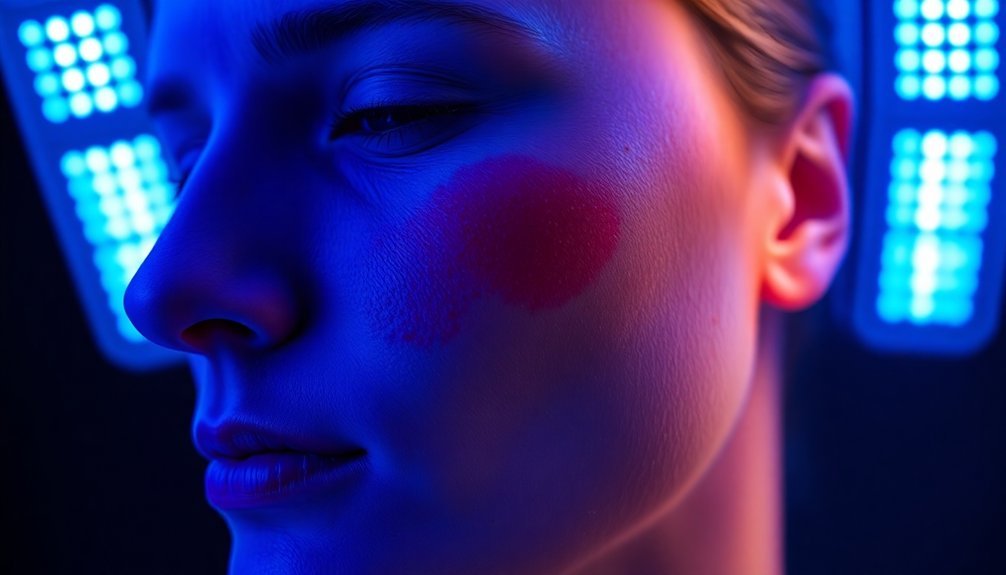
Through advanced photodynamic technology, blue light treatment offers a powerful solution for treating various skin conditions, particularly acne and precancerous lesions.
You'll find this minimally invasive procedure effectively targets specific problem areas while promoting overall skin rejuvenation and clarity in quick, convenient sessions.
If you're considering this treatment, you'll appreciate its numerous benefits. The procedure successfully reduces acne breakouts, improves skin texture, and can be customized to address your unique skin concerns. Regular follow-up appointments help maintain optimal results long-term.
You won't need to worry about lengthy recovery periods, as there's minimal downtime involved.
You may experience temporary side effects, including mild redness, swelling, and skin sensitivity. Some peeling or flaking might occur, but these effects typically resolve quickly.
During treatment, you might feel mild discomfort, but it's generally well-tolerated.
After your treatment, you'll need to follow strict precautions. Stay away from direct sunlight and bright indoor lighting for 48 hours, and apply zinc oxide or titanium dioxide sunblock every 2-3 hours.
It's essential to avoid skylights and windows, remaining in dimly lit rooms to prevent severe sunburn-like reactions. Following these aftercare instructions will help minimize side effects and maximize results.
Frequently Asked Questions
How Long Should I Wait Between Different Types of Light Therapy Sessions?
You'll need to wait 24 hours between UV phototherapy sessions, but you can do RLT daily. Space UV sessions 2-3 times weekly, while RLT can be done 3-5 times per week safely.
Can I Undergo Light Therapy While Taking Antibiotics?
Yes, you can safely use light therapy while taking antibiotics. In fact, it's often beneficial as light therapy can enhance antibiotic effectiveness and help reduce inflammation. Just be sure to follow your healthcare provider's guidelines.
Is Light Therapy Safe During Pregnancy or While Breastfeeding?
Yes, you can safely undergo light therapy during pregnancy and breastfeeding. It's non-invasive and can help with pain and inflammation. However, you should always consult your healthcare provider before starting treatment.
Does Skin Color Affect the Effectiveness of Light Therapy Treatments?
No, your skin color doesn't affect light therapy's effectiveness. You'll get the same benefits regardless of your skin tone, as LED lights penetrate to specific depths and work consistently across all skin types.
Can Children Receive Light Therapy for Inflammatory Skin Conditions?
Yes, you can get light therapy for your child if they're 5 or older and have severe eczema that hasn't responded to creams. You'll need a dermatologist referral, and treatment's typically done at a hospital.
In Summary
You've got several effective light therapy options to manage skin inflammation. While red LED light helps reduce redness and promotes healing, UVB narrowband therapy targets deeper skin layers for conditions like psoriasis. If you're dealing with acne-related inflammation, blue light photodynamic treatment can kill bacteria and calm your skin. Talk to your dermatologist about which treatment's best for your specific skin concerns.

Leave a Reply